
Hiroki Scrap Metal & Recycle delivers a full spectrum of scrap metal recycling services to all of its clients
What We Do
Combining the years of experience of our staff with the latest, most efficient, environmentally friendly technologies and cutting edge equipment, Hiroki Scrap Metal & Recycle delivers a full spectrum of scrap metal recycling services to all of its clients. Our services range from demolition services to industrial and individual clients
What We Purchase
Combining the years of experience of our staff with the latest, most efficient, environmentally friendly technologies and cutting edge equipment, Hiroki Scrap Metal & Recycle delivers a full spectrum of scrap metal recycling services to all of its clients. Our services range from demolition services to industrial and individual clients
Waste Disposal
We provide roro bins on rental basis at a reasonable price for all types of waste.
Moving Works
We provide professional moving services for commercial / residential.
Our Services
Ferrous Recycling Management
Ferrous
Including ferrous materials in recycling services is important because they are abundant, highly recyclable, offer economic value, and provide environmental benefits. Recycling these metals conserves resources, reduces pollution, and supports sustainable practices in manufacturing and construction industries.
Recyclability
Ferrous metals are highly recyclable. They can be melted down and reused multiple times without losing their quality or strength. Recycling ferrous metals reduces the need for mining and manufacturing new iron and steel, which has a substantial environmental impact.
The Benefits
Economic Value
Recycling ferrous materials is economically viable because there is a robust market for recycled iron and steel. Scrap yards and recycling facilities can sell these materials to manufacturers who use them to produce new products.
ENERGY AND RESOURCE SAVINGS
Recycling ferrous metals requires less energy and resources compared to producing new iron and steel from raw materials. This helps conserve natural resources and reduce greenhouse gas emissions associated with the production of new metals.
ENVIRONMENTAL BENEFITS
Recycling ferrous metals helps reduce the environmental impact of metal production. It reduces air and water pollution, conserves water resources, and reduces the demand for raw materials.
Non Ferrous
Non Ferrous
Non-ferrous metals are included in recycling services because of their recyclability, lightweight and corrosion-resistant properties, electrical conductivity, environmental benefits, economic value, and the regulatory pressure to reduce waste and promote sustainable practices. Recycling these metals helps conserve resources, reduce pollution, and support various industries that rely on these materials
Lightweight
Non-ferrous metals are included in recycling services because of their recyclability, lightweight and corrosion-resistant properties, electrical conductivity, environmental benefits, economic value, and the regulatory pressure to reduce waste and promote sustainable practices. Recycling these metals helps conserve resources, reduce pollution, and support various industries that rely on these materials
The Benefits
Electrical COnductivity
Some non-ferrous metals, such as copper and aluminum, are excellent conductors of electricity. They are used in electrical wiring, cables, and components. Recycling these metals ensures a consistent supply for electrical applications.
Corrision Resistance
Non-ferrous metals often exhibit excellent corrosion resistance. For example, aluminum forms a natural oxide layer that protects it from rust. Copper and brass also resist corrosion. Recycling these materials helps maintain their corrosion-resistant properties.
ENVIRONMENTAL BENEFITS
Recycling non-ferrous metals has significant environmental benefits. It reduces the need for mining and refining new ores, which can be environmentally destructive. It also lowers energy consumption and greenhouse gas emissions associated with metal production.
Demolition
Why we demolish before recycling
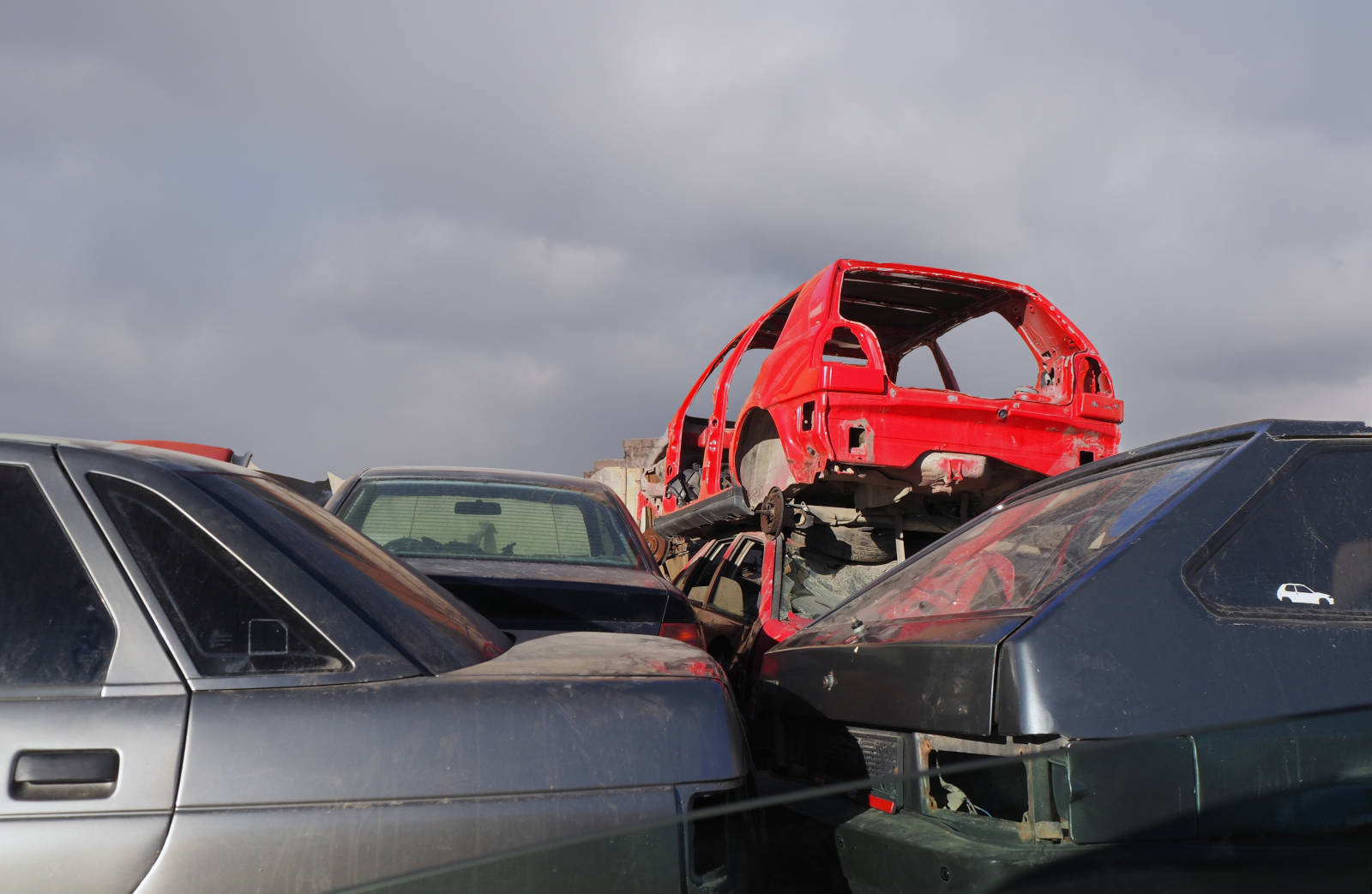
Demolition is a necessary precursor to recycling in C&D projects because it clears the site, ensures safety, allows for material separation, and facilitates resource recovery. It is a well-organized process that sets the stage for efficient recycling and the responsible reuse of materials in construction and development.
Site Clearance
Demolition is necessary to clear the site of existing structures, making room for new construction or redevelopment projects. This step is essential to create a safe and empty space for recycling and future construction.
The Benefits
Safety
Demolition is a controlled process that ensures the safe removal of existing structures. This helps prevent accidents or injuries during the recycling and construction phases.
Separation of Materials
Demolition allows for the separation of different types of materials from the demolished structures. For example, concrete, brick, and stone can be separated from wood, metals, and plastics. This separation is critical for efficient recycling because different materials require different recycling processes.
Quality of Materials
Demolition can help maintain the quality of recyclable materials. Careful deconstruction or demolition techniques can prevent contamination of materials, ensuring that they can be recycled effectively.
Recycling for Commercial and Residential
How does this work
We collect the recyclable items from the cleaners once it has reached the expected quantity, we pay them instantly and share our profit with MO/MC (20%).
What we collect
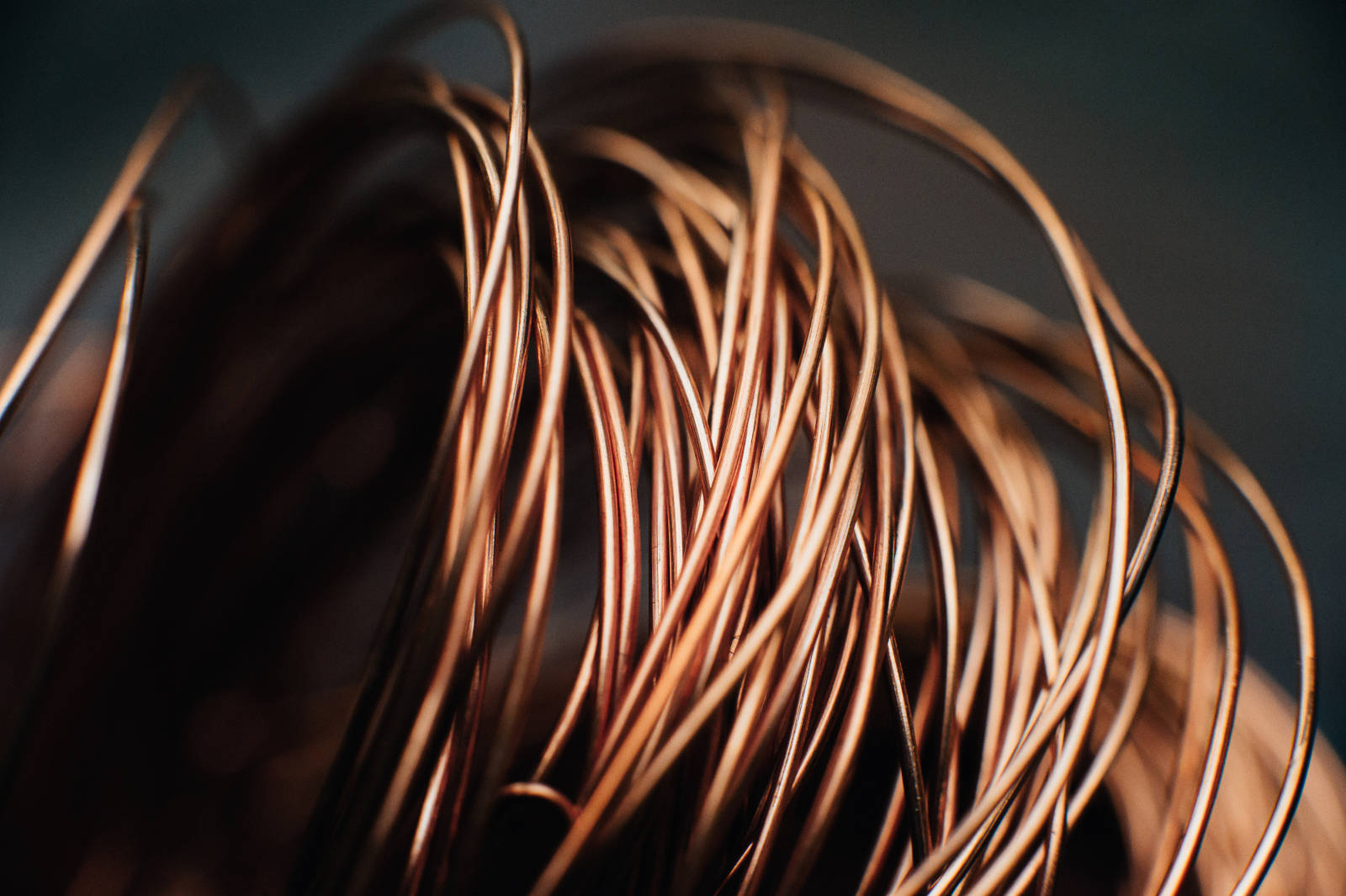
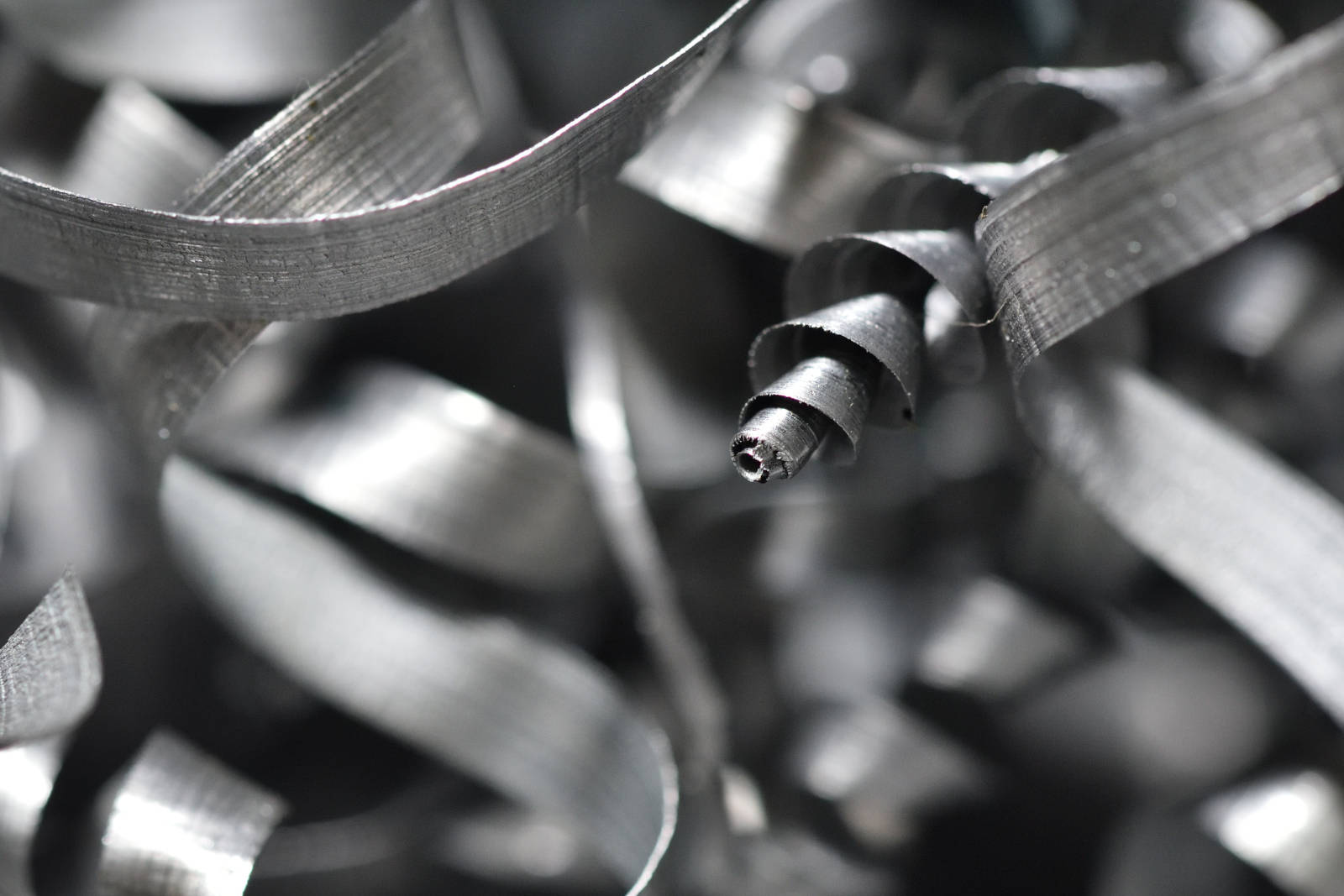
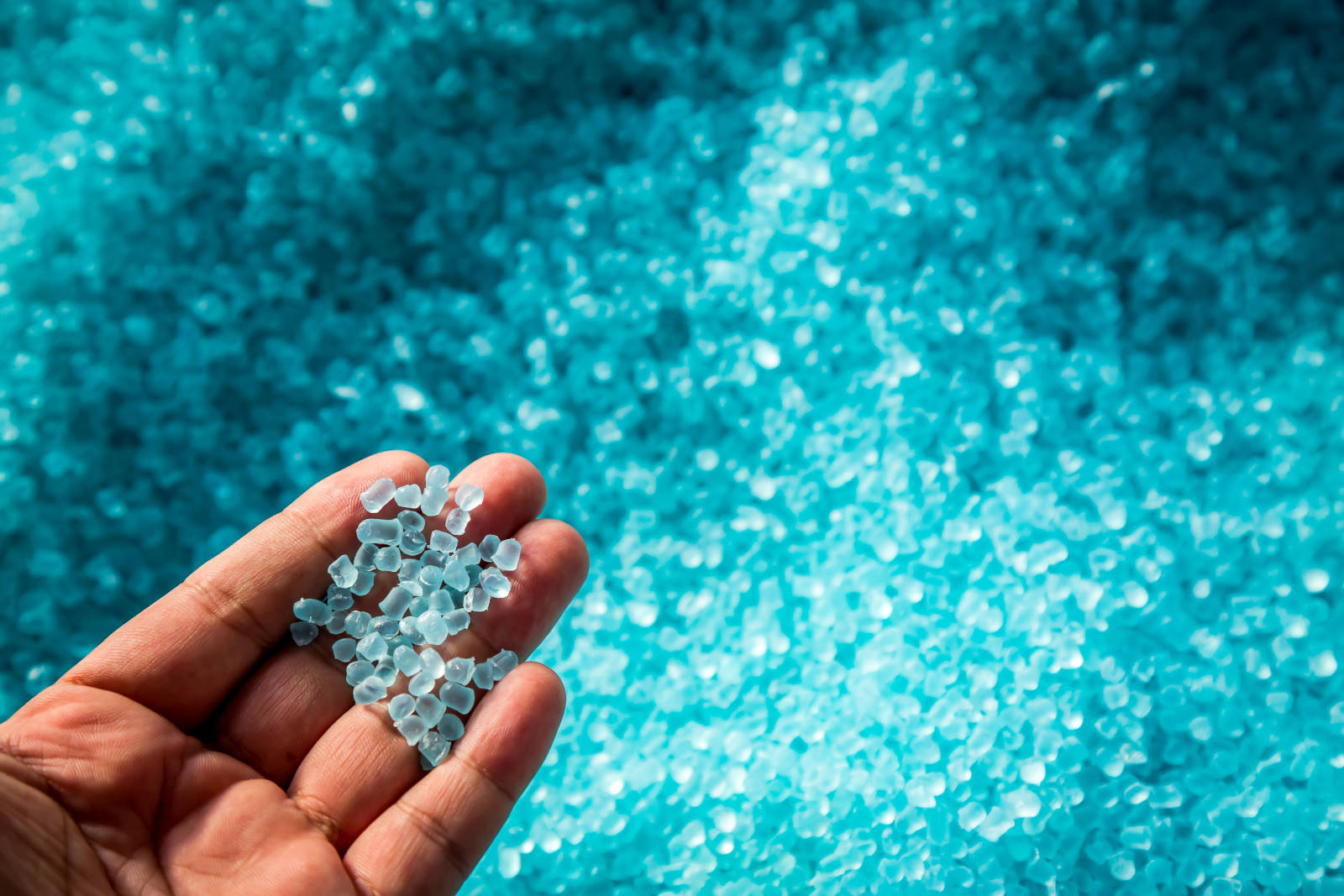
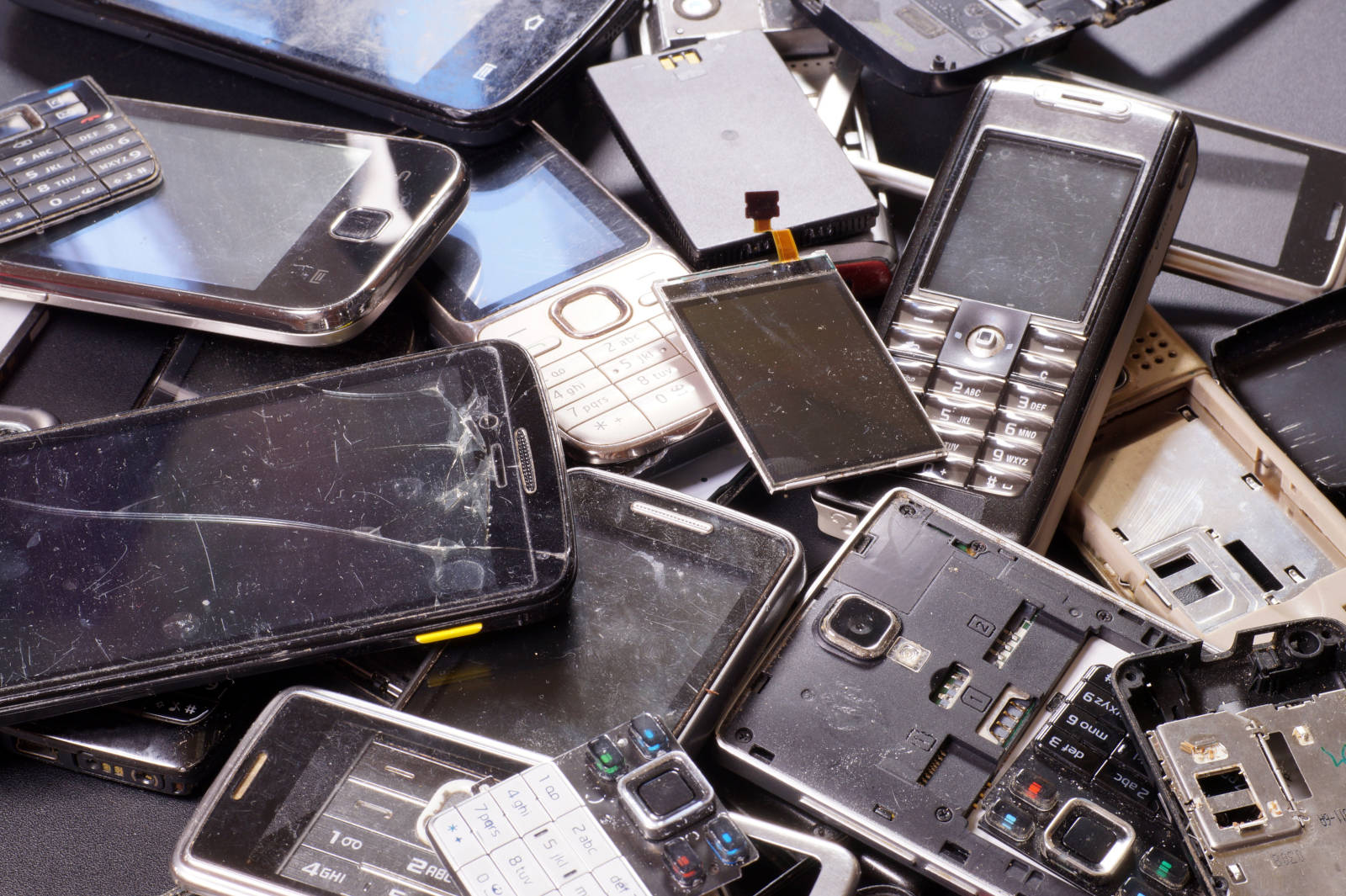
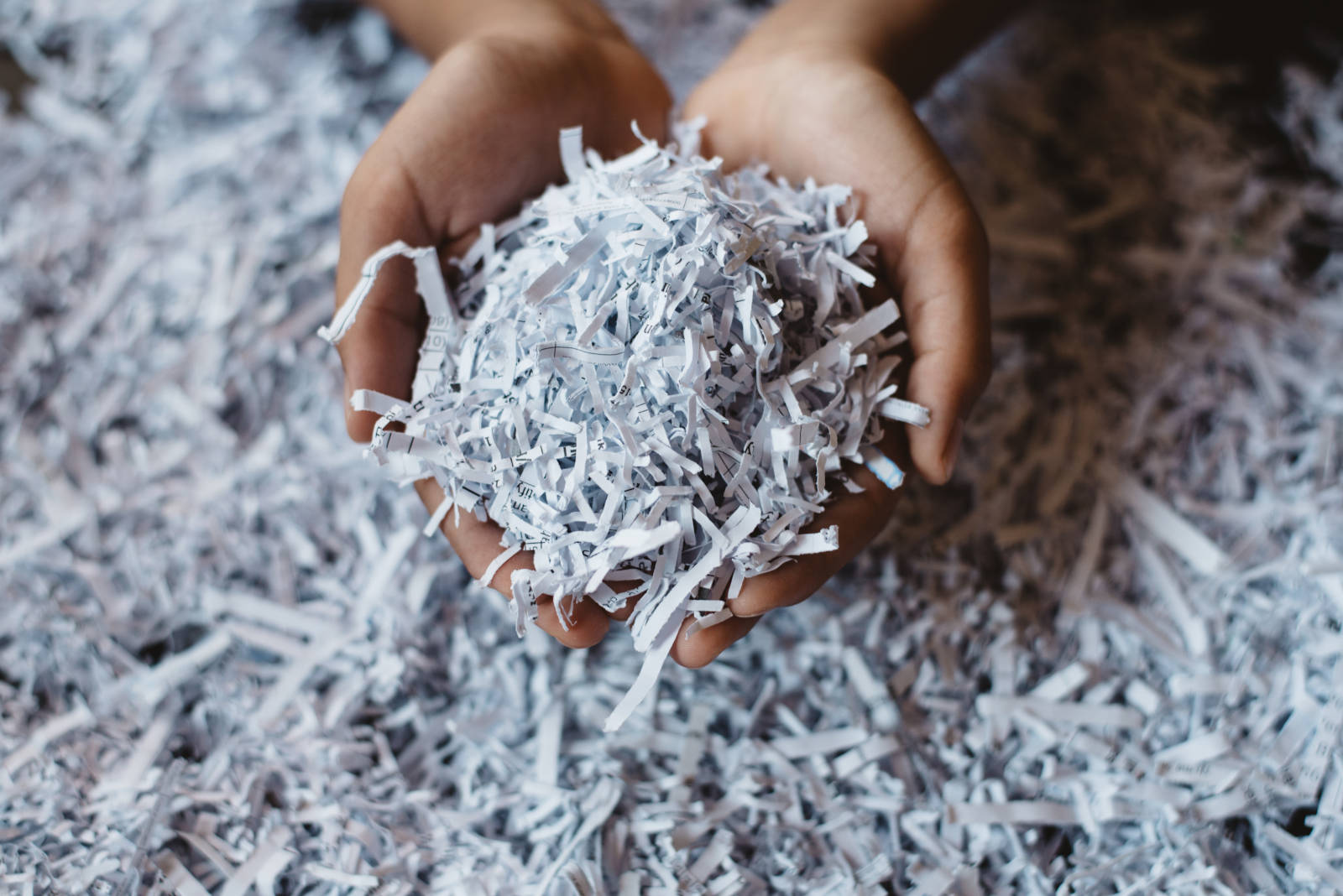
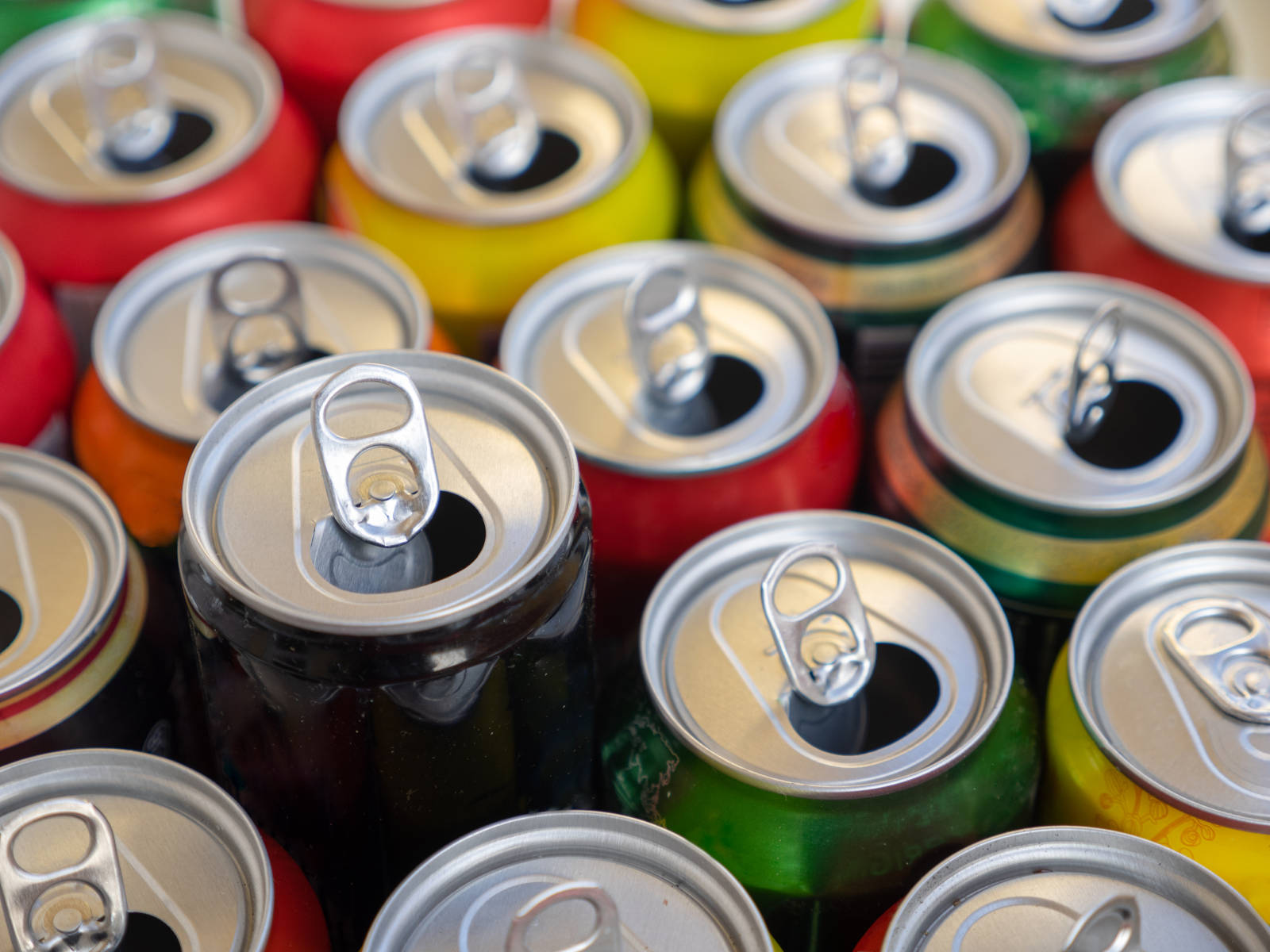
All type of metal, copper, stainless steel, aluminum, plastic, paper, electronic items, and etc.
How to get started
Introduce us to your building manager/cleaner supervisor and we will fix a schedule with them on the collection for the recyclable items.